
Campus Reform, a conservative online news platform, has transformed from a fringe website into a leading voice in the national conversation about bias in higher education. Once focused on niche campus issues, the outlet now plays a pivotal role in shaping public discourse, influencing government investigations, and amplifying debates over free speech and diversity programs on U.S. campuses.
The Rise of Campus Reform
Founded in 2009 by the Leadership Institute, Campus Reform began as a social media space for conservative students. By 2012, it shifted into a full-fledged news site dedicated to exposing what it calls “leftist bias” at colleges and universities.
Today, the platform has published thousands of articles targeting faculty, administrators, and student activists. Its content—often written by college students themselves—frequently gains traction on major conservative outlets such as Fox News and Newsmax.
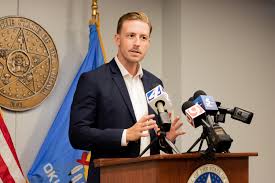
According to Zachary Marschall, editor in chief since 2022, the publication has pushed higher education from a niche concern to a mainstream national issue.
“The focus has shifted from isolated incidents to how each story fits into the larger national narrative,” Marschall explained.
Zachary Marschall’s Campaign Against Antisemitism
In recent years, Dr. Marschall, who holds a Ph.D. in cultural studies and also teaches part-time at the University of Kentucky, has become a key figure in filing antisemitism complaints under Title VI of the Civil Rights Act.
- He says he has filed 33 complaints across U.S. campuses.
- These efforts have already led to 16 federal investigations.
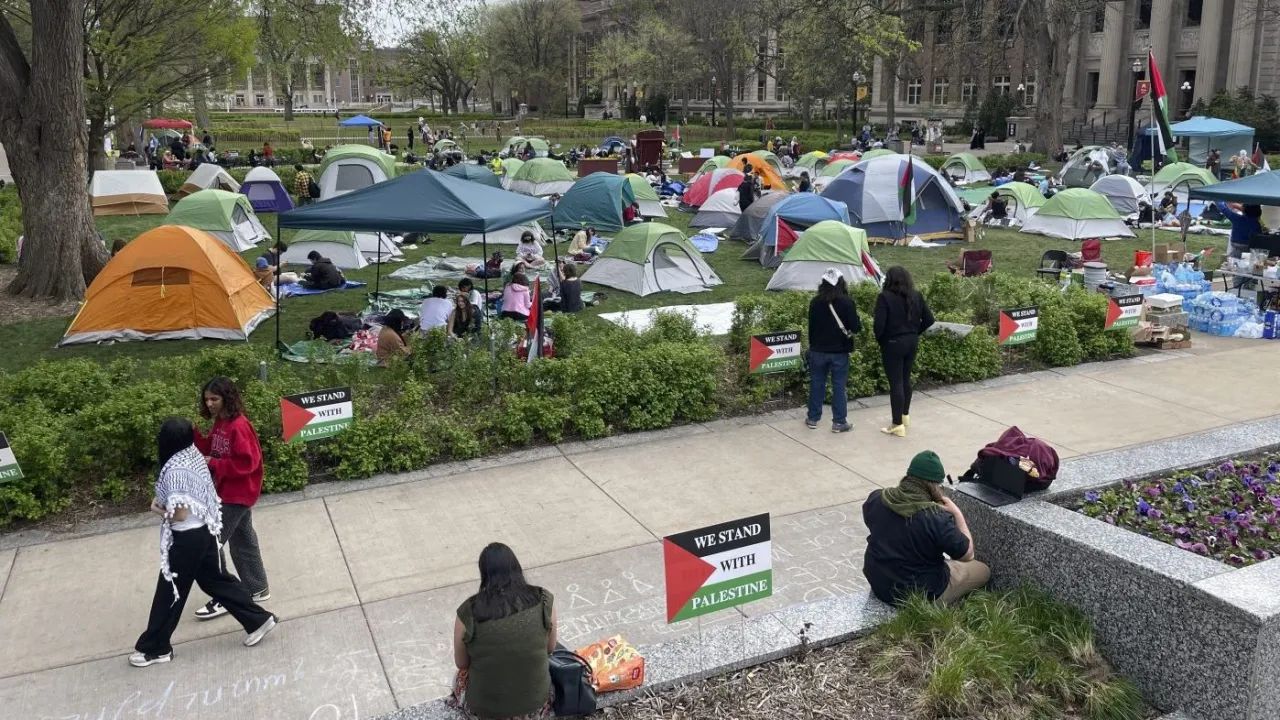
- One high-profile case targeted Princeton University, citing pro-Palestinian activism that he argued made Jewish students feel unsafe.
The Trump administration has backed many of these complaints, vowing to take a hard stance against universities accused of allowing antisemitism to flourish.
“I was never expecting any of them to be open or investigated,” Marschall admitted. “This is as big a surprise to me as it is to everyone else.”
A Strategy That Changed Conservative Media
Campus Reform is part of a larger trend in conservative activism targeting universities. The tactic of using individual anecdotes to build a broader narrative has inspired similar groups like:
- The College Fix, founded around the same time.
- Turning Point USA, which created a controversial professor watch list.
Political scientists argue that this strategy has successfully reframed higher education as a culture war battleground.
“Campus Reform mainstreamed the tactic of using stories to create a narrative about higher education,” said Isaac Kamola, a Trinity College professor.
Impact on Campuses and Faculty
While Campus Reform and its supporters claim to champion free speech and student rights, critics say the site often distorts events and encourages online harassment.
- A 2020 survey by the American Association of University Professors found that over 40% of academics featured in Campus Reform articles reported receiving threats of physical violence.
- Professors such as Jason Stanley, a well-known philosophy scholar, describe the site as an “anti-intellectual hammer” that silences academic voices through fear.
Dr. Stanley, who left Yale University for the University of Toronto, recalls being targeted by Campus Reform after criticizing anti-LGBTQ remarks. The backlash included abusive emails, phone calls, and threats.
“Being singled out by sites like Campus Reform has been the biggest threat to academic freedom in the last decade,” Stanley said.
A Turning Point in Higher Education
The push from Campus Reform and similar groups has aligned with political momentum. After the 2023 Hamas attack on Israel, scrutiny of campus politics surged. High-profile university leaders faced mounting pressure, some even losing their positions, while diversity and equity programs were cut or rebranded to avoid federal backlash.
Campus Reform’s once-fringe stance is now influencing:
- Federal policy on higher education
- Campus speech regulations
- Public perceptions of universities
Conclusion
From a modest conservative platform to a driving force in the national conversation on higher education, Campus Reform has reshaped how Americans view their universities.
While supporters praise it for exposing campus bias, critics warn its methods threaten academic freedom and encourage harassment of educators. Regardless of viewpoint, the site has undeniably shifted higher education into the center of America’s culture wars.