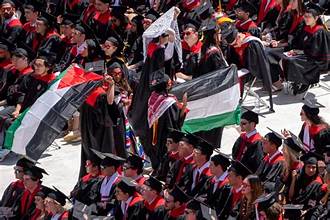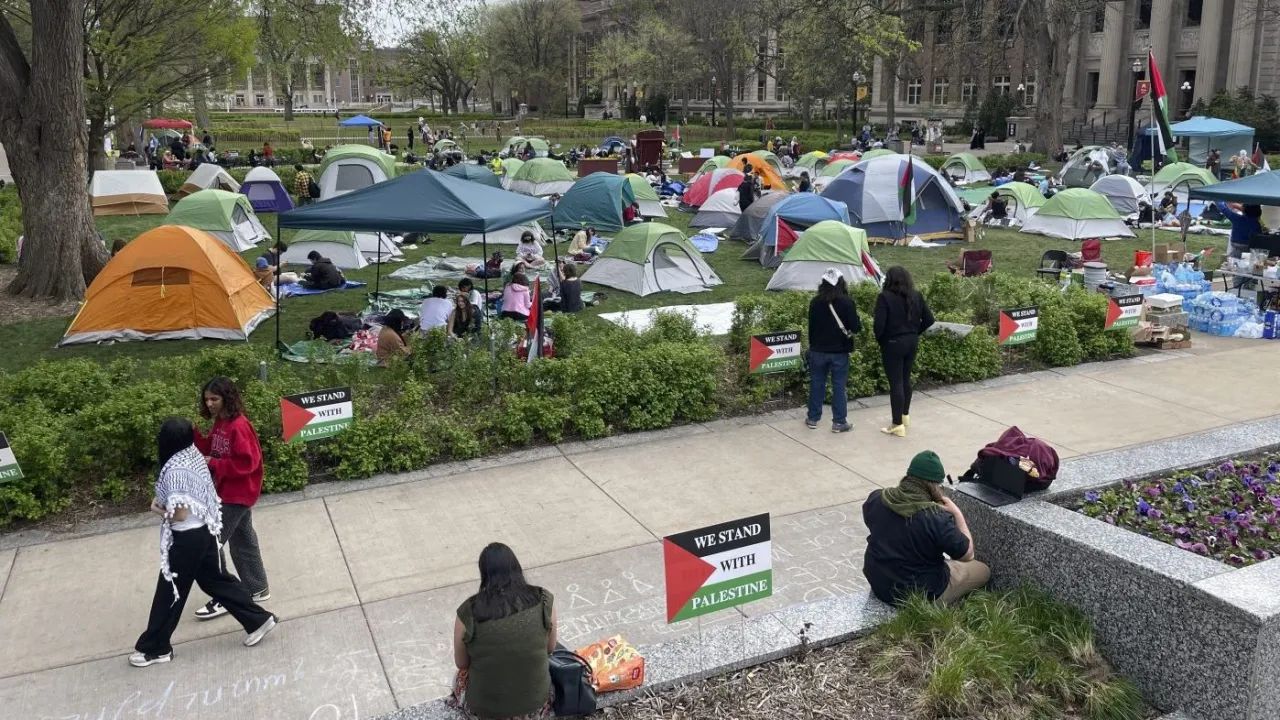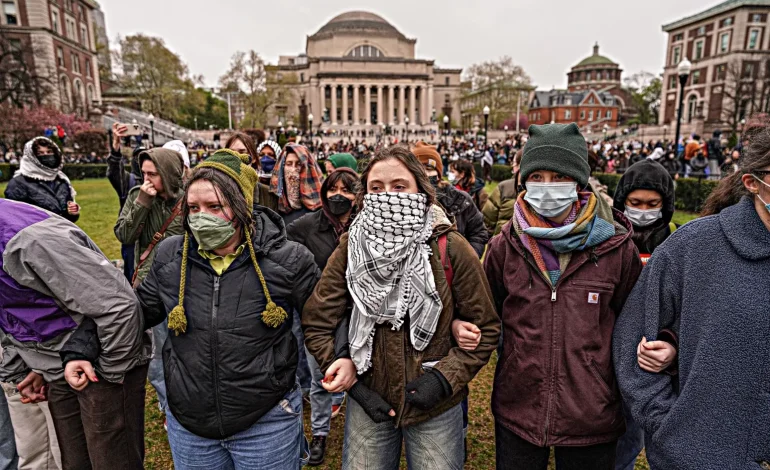

Student protests are making headlines again as the academic year comes to a close, especially around pro-Palestinian movements on college campuses. Though this year’s demonstrations are smaller and more spread out compared to last spring — when over 2,100 people were arrested — the stakes are significantly higher.
🔹 Stronger Government Pressure
The Trump administration is putting more pressure on colleges, launching federal investigations into how schools are handling protests. Some colleges are even seeing their federal research funds frozen as a form of pressure. The government is demanding stricter rules on student protests, especially regarding alleged antisemitism and pro-Palestinian activism.
🔹 Protesters’ Main Demands
Most protesters continue to push for colleges to cut ties with Israel and companies that support the Israeli military. For example:
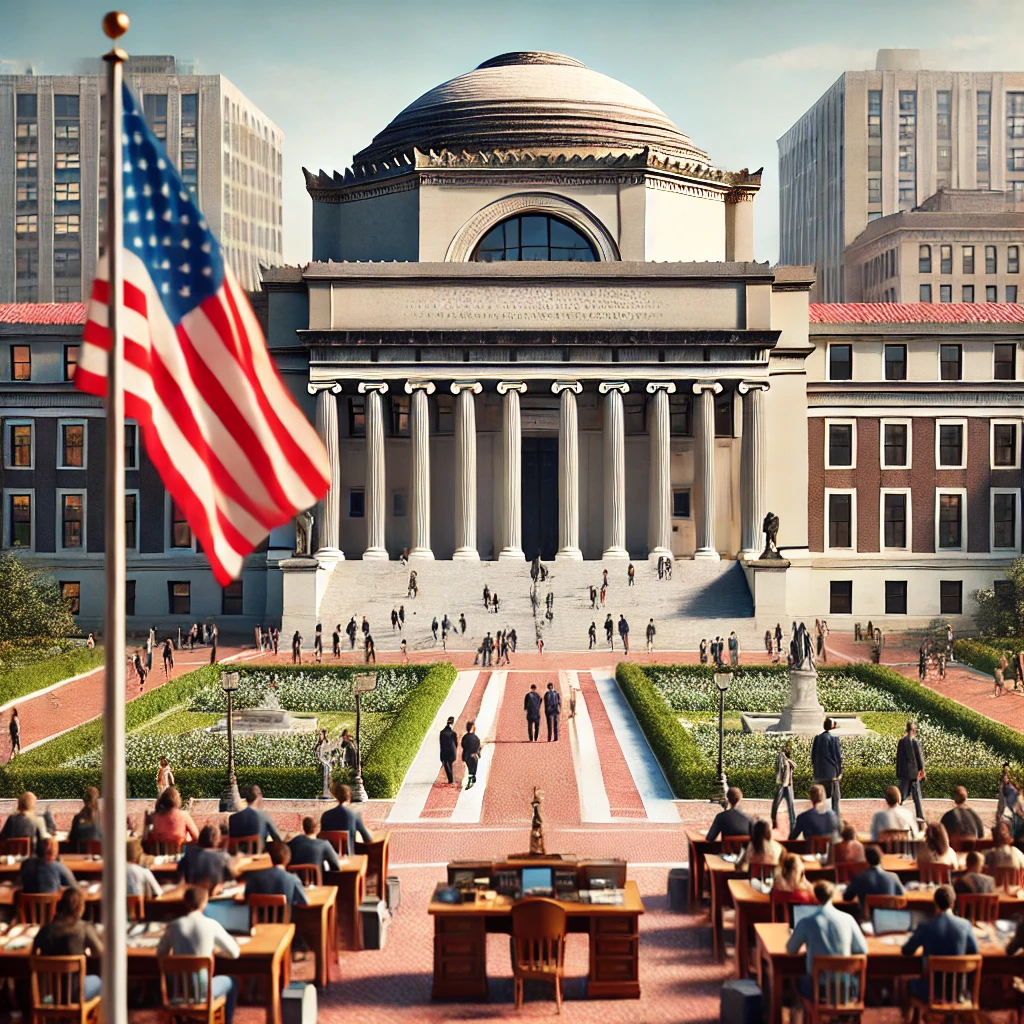
- At Columbia University, students recently occupied a library, demanding the school divest from companies linked to “occupation and genocide” and grant amnesty to students facing disciplinary action. Around 80 people were arrested.
- At the University of Washington, protests targeted Boeing due to its support for Israel’s military. Protesters called for the school to reject donations from Boeing and ban their employees from teaching. Thirty arrests were made.
Other colleges seeing protest activity include:
➡️ Swarthmore College
➡️ Rutgers University
➡️ UCLA
➡️ Brooklyn College
🔹 Timing & Motivation
According to NYU history professor Robert Cohen, the current wave of protests may be fueled by recent developments in the Israel-Gaza war and the end of the academic year. He explains that students might see this as their last chance to speak out before summer break.
However, Cohen also notes a shift: campuses are no longer seeing mass movements like before. Tougher university policies have made students less willing to take risks, leading to smaller, more isolated demonstrations.
🔹 Higher Risks for Students
The consequences of protesting have increased:
- Some schools risk losing federal grants if they don’t respond firmly to activism.
- The federal government is even considering deportation for international students involved in protests.
After the library occupation, Columbia University suspended 65 students and banned 33 others from campus. These actions were praised by a federal antisemitism task force, which also applauded the University of Washington for suspending 21 students after a protest.
Columbia has also committed to new measures, including:
✔️ Ban on face coverings during protests
✔️ Hiring more campus security with arrest powers
Summary:
While campus protests are fewer this spring, the consequences are more serious. With government oversight, threats to funding, and disciplinary action on the rise, students and universities are navigating a more intense climate around free speech and political activism.