
Bill Gates Predicts: By 2025, Most U.S. Jobs Will Need Education Beyond High School
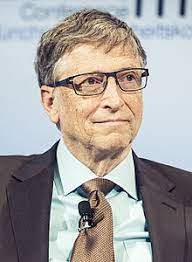
Bill Gates has once again shared valuable insights on the future of work, warning that two-thirds of U.S. jobs by 2025 will require education beyond high school. His message highlights a major shift in employability driven by artificial intelligence (AI), digital transformation, and post-pandemic disruptions.
The Changing Landscape of Employment
In his 2023 blog post, the Microsoft co-founder emphasized that the job market is evolving faster than ever before. Automation, AI, and hybrid work environments are reshaping industries. According to Gates, students must be “reached early” and encouraged to pursue postsecondary education—not as an option but as a necessity for survival in the modern economy.
Education is no longer just a gateway to success—it’s the foundation for adaptability, critical thinking, and digital literacy, which are now essential in nearly every profession.
Beyond STEM: New-Age Careers Shaping the Future
The rise of AI, data science, and cybersecurity has created entirely new career paths. Roles like AI ethicists, data analysts, and cybersecurity experts are in high demand, replacing traditional jobs that once seemed secure.
As Gates noted, the best jobs start with a strong educational foundation. Modern schools and universities must focus on curiosity, creativity, and the ability to learn, unlearn, and relearn to keep pace with change.
Top Skills Defining the Workforce of 2025
Success in the coming decade will depend more on skills than on degrees. Here are the core competencies shaping the future workforce:
1. Digital and Technology Literacy
Digital fluency is now as crucial as reading and writing once were. A 2023 National Skills Coalition report found that 92% of jobs require some digital proficiency, yet nearly one-third of workers lack these skills. Every sector—from healthcare to finance—demands professionals who can use technology responsibly and effectively.
2. Critical Thinking and Problem-Solving
In an age of information overload, the ability to analyze, evaluate, and make informed decisions is invaluable. Employers seek individuals who can think independently and solve complex problems.
3. Emotional Intelligence and Collaboration
As machines take over repetitive tasks, empathy, communication, and teamwork have become top priorities. Emotional intelligence now determines leadership potential and workplace harmony.
4. Adaptability and Resilience
With technology and industries changing rapidly, those who embrace change and adapt quickly will lead the next generation of innovation.
5. Lifelong Learning Mindset
The future belongs to lifelong learners. Whether through micro-courses, certifications, or professional development, continuous education is key to staying relevant.
Bridging the Education–Employment Gap
Gates’ remarks underline a growing challenge—the gap between education and employability. To bridge it, institutions must link academic learning with real-world application through internships, skill-based training, and mentorship programs.
Education systems must move beyond rote learning and nurture problem-solvers who can thrive in uncertain environments. The goal is no longer to produce graduates but to develop self-driven learners prepared for lifelong growth.
Continuous Learning: The New Career Currency
Bill Gates’ vision isn’t just a forecast—it’s a blueprint for success. In a world powered by AI and automation, the most valuable qualification won’t be a degree but the ability to keep evolving.
As technology continues to reshape industries, one truth stands firm:
“The future will not belong to those who stop learning—but to those who never stop growing.”